How Do I Decide What Features to Include in Custom Closet Systems?
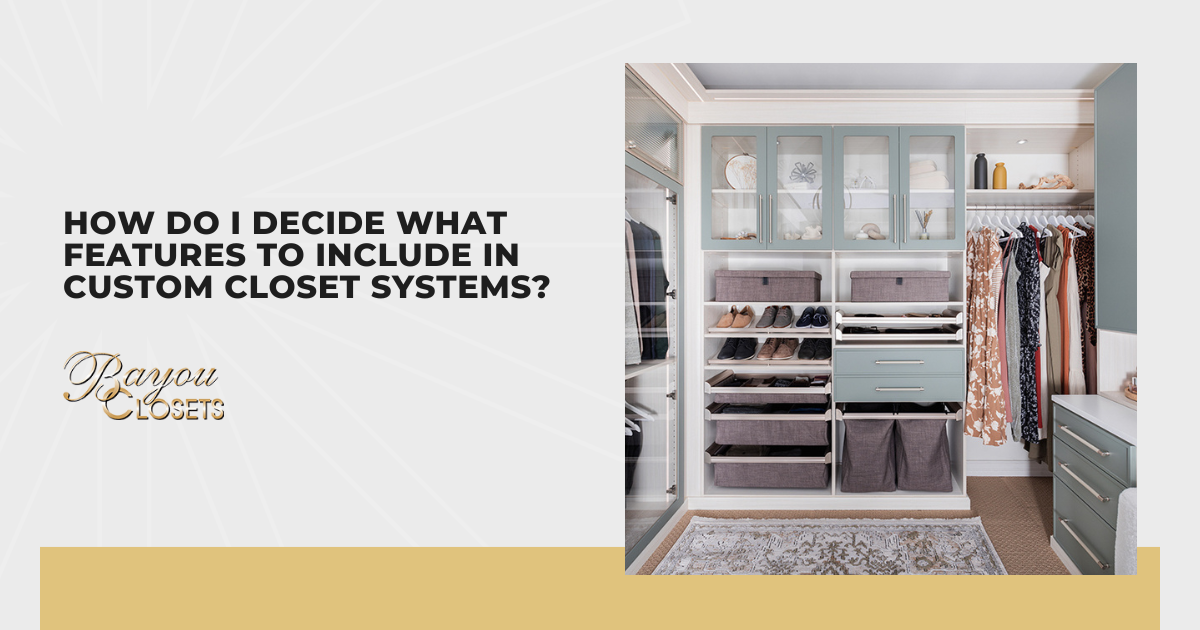
Deciding which features to include in custom closet systems can feel overwhelming at first. There are shelves, drawers, hanging options, specialty racks, lighting upgrades, and more, all promising to make your closet better. From what I’ve seen, the challenge isn’t finding features, but rather it’s figuring out which ones actually make sense for your space and daily routine. Not every upgrade fits every lifestyle.
The right features depend on how you use your closet, what you store inside it, and what currently frustrates you about the layout. A shared closet may need different solutions than a single-user space. A wardrobe filled with dresses and suits will require a different setup than one focused on folded clothing and casual wear.
Let me walk you through how to decide which features belong in your custom closet systems so the final design feels practical and easy to live with.
- Start with how you use your closet daily
- Evaluate your wardrobe and storage categories
- Prioritize space-maximizing features
- Choose drawer and shelf configurations carefully
- Decide on specialty features based on your lifestyle
- Consider accessibility and ease of use
- Think about long-term flexibility
- Balance function with aesthetic preferences
Each of these points will help you filter through the options and focus on what truly fits your space and routine.
Start With How You Use Your Closet Daily
Before selecting specific features, it helps to think about how you actually use your closet every day. Getting ready in the morning, putting laundry away, changing after work, or grabbing a jacket on the way out all follow a routine, even if you don’t consciously think about it. I like to start with a few simple questions: Where do clothes tend to pile up, and what feels inconvenient right now? Those small pain points usually reveal more than you expect.
Daily habits often point directly to the features that will matter most. If work clothes are used five days a week, they should sit in the most accessible section of the closet. If shoes constantly end up near the floor, built-in shoe shelving or cubbies may deserve more priority. If folded clothes keep toppling over, deeper drawers or divided shelving could solve that frustration. Paying attention to how you move through the space helps narrow down what will actually improve your routine.
Shared closets also require a different strategy than single-user spaces. Separate hanging sections, clearly divided shelves, or designated drawers can reduce overlap and confusion. Clear boundaries within the layout make it easier for everyone to maintain order. Looking at how the closet functions in real life makes it much easier to choose features that support your routine instead of complicating it.
Evaluate Your Wardrobe and Storage Categories
After looking at your daily routine, the next step is to evaluate what you actually own. Take a realistic look at how much of your wardrobe needs hanging space versus shelving or drawers. Some closets are filled with long garments like dresses and coats, while others lean heavily toward folded items, denim, or activewear. The balance between these categories should directly influence which features you prioritize.
Shoes, handbags, belts, jewelry, and accessories also deserve proper consideration. If these items are currently scattered or stacked on top of each other, dedicated storage sections can make a noticeable difference. Built-in drawers, divided trays, or angled shoe shelves can keep smaller items visible and contained. Ignoring accessories during planning often leads to clutter later.
Seasonal clothing should also factor into the decision. Bulkier winter pieces or occasional formalwear may not need prime, eye-level space year-round. Higher shelves or secondary hanging sections can keep those items accessible without crowding everyday clothing. Looking at your wardrobe in clear categories makes it much easier to decide which custom closet systems features will truly serve your storage needs.
Prioritize Space-Maximizing Features
Some features are specifically designed to help you get more out of the space you already have. If your closet feels tight, crowded, or underutilized, focusing on space-maximizing elements can make a noticeable difference. The goal isn’t to fill every inch, but to use the existing footprint more intentionally. Small structural upgrades can dramatically increase storage without expanding the closet itself.
- Double-Hang Rods:
Installing a second hanging rod is one of the simplest ways to increase capacity. Shorter garments like shirts, blouses, and folded pants can hang in two tiers instead of one. This instantly doubles usable hanging space in sections with adequate height. Adding a pull-down hanging rod can also improve accessibility in taller closets.
- Floor-to-Ceiling Shelving:
Extending shelving upward eliminates wasted vertical space near the ceiling. Higher shelves work well for seasonal storage, storage bins, or less frequently used items. Incorporating labeled baskets or uniform storage boxes keeps upper sections neat and easy to manage. Adjustable shelving allows those upper compartments to adapt over time.
- Corner Storage Solutions:
Corners are often overlooked, yet they can hold a surprising amount of storage when designed correctly. Angled shelves, rotating corner rods, or wraparound shelving can transform unused areas into functional sections. Even adding corner cubbies for handbags or folded items can improve capacity. Making use of corners prevents the main walls from becoming overcrowded.
- Pull-Out Shoe or Accessory Racks:
Slide-out racks make deeper sections far more accessible. Pull-out shoe shelves, belt racks, scarf organizers, and jewelry trays keep smaller items visible and easy to reach. These features prevent stacking and reduce the chance of items getting lost in the back. Soft-close hardware can also improve durability and everyday usability.
- Integrated Drawer Towers: Vertical drawer stacks create contained storage for folded clothing, undergarments, or accessories. Divided drawer inserts can separate smaller items like watches, sunglasses, or ties. Shallow top drawers paired with deeper lower drawers offer flexibility for different item sizes. Adding built-in hampers within drawer towers can also keep laundry contained without using floor space.
Focusing on space-maximizing features helps ensure your custom closet systems feel efficient rather than cramped. Strategic upgrades in the right areas can make even a smaller closet feel organized, balanced, and easier to maintain.
Choose Drawer and Shelf Configurations Carefully
Drawer and shelf layout has a big impact on how your closet feels to use every day. The depth, height, and placement of these sections can either support your routine or slowly create clutter. I’ve found that thinking through what will actually go into each drawer or shelf makes the entire design more practical. A mix of drawers and open shelving usually creates a setup that feels balanced and easy to maintain.
Shallow drawers are great for smaller items like jewelry, accessories, or undergarments because everything stays separated and visible. Deeper drawers work better for sweaters, denim, or activewear that tends to stack up. Open shelving makes it easy to grab frequently worn pieces, while enclosed drawers help keep the space looking clean and organized. Matching drawer depth and shelf spacing to the clothing you own makes everyday use feel smoother.
Adjustable shelving adds flexibility that fixed sections simply can’t offer. Shelf heights can shift as your wardrobe changes or as new pieces get added over time. Leaving a little room to reconfigure certain sections can prevent the layout from feeling limiting down the road. A setup that adapts to your habits will feel far easier to live with long term.
Decide on Specialty Features Based on Your Lifestyle
Beyond shelves and drawers, certain upgrades are designed to support specific habits and routines. These additions aren’t essential in every closet, but in the right setup they can make daily use noticeably easier. The key is selecting features that match how you get ready, store accessories, and manage laundry. Practical upgrades tend to add the most value when they align with real, everyday use.
- Built-In Hampers:
A pull-out hamper keeps laundry contained and off the floor, especially in primary bedroom closets where clothing changes happen daily. Instead of letting items collect in corners, everything goes into one concealed section. Dual hampers can also help separate lights and darks.
- Jewelry and Accessory Inserts:
Drawer inserts with compartments for jewelry, watches, or sunglasses keep smaller items organized and protected. Soft-lined trays reduce tangling and scratches while keeping everything visible. Divided sections make it easier to grab what you need without digging.
- Valet Rods:
A pull-out valet rod provides temporary hanging space for outfit planning or setting aside dry cleaning. It creates a dedicated area for next-day clothing without taking up permanent rod space. Once you’re finished, it slides neatly back into place.
- Tie, Belt, and Scarf Racks:
Dedicated racks prevent accessories from bunching up in drawers. Pull-out versions allow you to see everything at once, which makes selection faster. Vertical accessory racks also free up drawer space for other items.
- Integrated Lighting: Built-in lighting improves visibility inside drawers, shelves, and darker corners. LED strips or motion-activated lights make early mornings and evening routines more convenient. Proper lighting also enhances the overall look and feel of the closet.
Selecting specialty features based on your lifestyle helps ensure your custom closet systems feel tailored rather than overloaded. The right additions can elevate convenience without complicating the layout.
Consider Accessibility and Ease of Use
Accessibility has a direct impact on how your closet feels every single day. A layout might look impressive in a design plan, but if items are hard to reach, the space won’t feel practical for long. Hanging rods, drawers, and shelves should be positioned in ways that match your height and comfort level. Reaching too high for everyday clothing or bending constantly for essentials can quickly turn into daily frustration.
Items you wear frequently should live in the most accessible areas of the closet. Eye-level shelving, mid-height drawers, and easy-reach hanging rods make getting dressed faster and more comfortable. Higher shelves can store off-season pieces, while lower compartments can hold less-used accessories. Placing features according to frequency of use keeps the layout feeling intuitive.
Hardware also plays a role in accessibility. Smooth-glide drawer slides, soft-close hinges, and pull-out trays make movement effortless and controlled. Sliding racks for shoes or accessories help you see everything without digging into the back of a shelf. Small adjustments in placement and hardware can significantly improve daily convenience.
Comfort matters just as much as capacity. A closet that feels easy to move through encourages you to keep it organized because nothing feels awkward to access. Features should support your natural movements rather than force you to adjust to the design. When accessibility is prioritized, custom closet systems become easier to live with long term.
Think About Long-Term Flexibility
Closet needs rarely stay the same year after year. Clothing styles change, wardrobes grow, and life events can shift how storage is used. I’ve seen closets that worked perfectly at first start to feel tight simply because nothing was designed to adjust. Planning for change from the beginning can prevent that frustration later. A layout that allows for movement and modification tends to stay useful much longer.
Adjustable shelving is one of the easiest ways to build in flexibility. Shelf heights can shift as your storage needs change, whether you’re adding bulkier sweaters, more shoes, or different accessories. Hanging sections can also be designed to convert from long-hang to double-hang if your wardrobe shifts over time. Drawer inserts can be rearranged as collections grow or simplify. Small built-in adjustments like these make adapting feel manageable instead of overwhelming.
Leaving a little open space for future additions can also make a difference. An extra section of wall or a flexible component gives you room to expand without reworking the entire design. I’ve found that closets designed with adaptability in mind tend to stay functional much longer. Thinking ahead during the planning stage helps custom closet systems remain practical as your needs continue to evolve.
Balance Function With Aesthetic Preferences
Function should always lead the decision, but appearance still matters. Your closet is part of your home, and the design should feel cohesive with the surrounding bedroom or hallway. Finishes, hardware, and overall layout can influence how polished and inviting the space feels. A closet that looks clean and coordinated often feels easier to maintain.
Material and color choices can subtly change the atmosphere of the room. Lighter finishes can make smaller closets feel more open, while darker tones can add depth and contrast. Hardware styles, drawer fronts, and shelving thickness also contribute to the overall look. I recommend selecting finishes that complement the rest of the space so the closet feels integrated rather than separate.
Open shelving creates a more visible, boutique-style feel, while enclosed drawers offer a streamlined and minimal appearance. The balance between display and concealment depends on how you prefer the space to look day to day. Combining practical storage with finishes you genuinely like makes the closet more enjoyable to use. When function and design work together, custom closet systems feel complete instead of purely utilitarian.
Conclusion
Deciding what features to include in custom closet systems becomes much easier once you focus on how you actually live and use the space. Daily routines, wardrobe categories, space constraints, and accessibility all help narrow down what truly belongs in the design. Specialty upgrades and flexible components can add convenience, but only when they support your habits instead of complicating them. I’ve found that the most successful closets aren’t the ones

QUICK LINKS
CONTACT INFO
Bayou Closets Inc.
2537 North Rampart Street
New Orleans, LA 70117
Phone
SCHEDULE A CONSULTATION
Contact us, and we will come out and discuss your project free of charge.